
Large-scale data-management initiatives sit at the intersection of technical work and organizational change management.

Institutional Profile
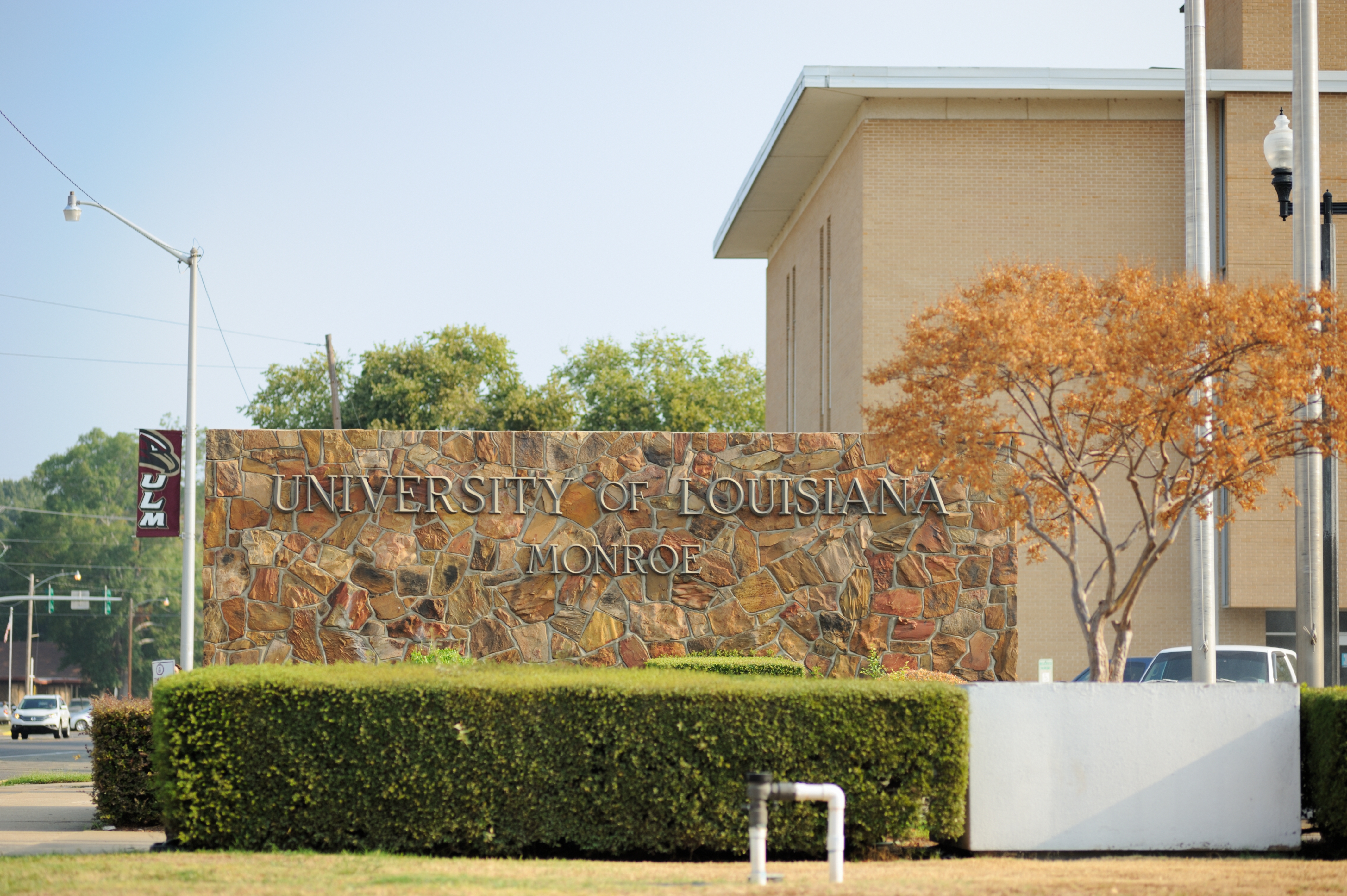
The University of Louisiana Monroe (ULM) is a regional institution serving more than 8,500 students through over 95 academic programs across the Colleges of Arts, Education, and Sciences; Business and Social Sciences; Health Sciences; and Pharmacy. Founded in 1931, ULM is recognized for its commitment to academic excellence, innovation, and student success, with particular strengths in the health sciences and professional education. The university offers distinctive programs in pharmacy, toxicology, atmospheric science, risk management and insurance, and construction management while maintaining a strong focus on workforce development and community engagement. As Louisiana’s only state-funded pharmacy program, ULM prepares graduates for high-demand careers and educates more than 1,500 healthcare professionals annually. Through extensive regional outreach, student-led clinics, research centers, and partnerships with local industries and government agencies, ULM contributes more than $617 million annually to the regional economy while advancing educational access, public health, and economic development across Northeast Louisiana and beyond.
The Challenge/Opportunity
Higher education institutions are generating more data than ever, especially as the number of technology tools in departments across campus continues to grow. For many campuses, these data continue to be housed in disconnected environments with inconsistent definitions, uneven access, and limited interoperability. In fact, in an EDUCAUSE QuickPoll last year, siloed data was the most reported barrier to advancing data strategies at institutions.Footnote1 As higher education leaders seek to support their missions to build data-empowered institutions, they need to find ways to bring clean data together in an environment that can provide reports to support enrollment strategies, student success initiatives, operational efficiencies, cybersecurity, AI adoption, and more. These data issues and goals mean the ability to connect and trust institutional data has become both a pressing challenge and a significant strategic opportunity.
Improving data governance is increasingly central to this work. Institutional leaders are recognizing that technology alone cannot solve the challenges that arise from the growing numbers of data sources and the expanding amounts of data being generated and stored. Without coordinated governance, teams often spend substantial time reconciling conflicting reports, manually combining datasets, or debating which system contains the “right” version of the truth. These challenges can slow decision-making and limit an institution’s ability to respond quickly to changing student and institutional needs.
At the same time, improving interoperability across systems presents a powerful opportunity for higher education IT leaders. When data from SIS, LMS, IT systems, and other enterprise platforms is effectively collated, leaders and staff can gain a more holistic view of the student experience. That understanding can lead to improved service delivery and enable more actionable analytics. Connected systems are also the foundation for emerging technologies such as predictive analytics, automation, and AI-driven decision support. For many institutions, the conversation is shifting from simply managing systems to building an integrated digital ecosystem, and that’s exactly what ULM has been working to accomplish over the past year.
The initial work at ULM centered on data governance and improved reporting in response to directives from the University of Louisiana System (UL System). Early efforts involved partnership between various campus staff and the system office. Their work focused on developing a more coordinated data governance strategy and improved reporting across the university system, enhancements that could provide leaders with more real-time data on trends in enrollment, retention, and graduation rates. As part of the initial discovery work, leadership and staff recognized that several campuses that are part of the UL System had evolved their enterprise systems independently over time, resulting in different approaches to technology, reporting structures, and governance practices across campuses. Most of the institutions within the system operate mainly on Banner, with others on Workday, but staff are also working to integrate data from various other systems into unified, real-time dashboards. To help reduce the complexity of accomplishing this across the different universities at once, Carrie Castille, president of ULM, was asked to run a pilot program to develop a data governance strategy and reports at her institution so that their efforts could be templated and adopted by other institutions.
Castille saw a significant opportunity in pursuing this project and in creating a more transparent, easy-to-access, and data-driven culture. These efforts also aligned closely with broader campus assessment and continuous improvement initiatives, especially those under the authority of Allison Thompson, director of institutional effectiveness, who also oversees institutional research (IR). Ultimately, the initiative represents both a modernization challenge and a leadership opportunity for the institution. By refining governance practices, standardizing reporting, and improving interoperability across systems, ULM has the opportunity to lead the way for the broader university system. The previous method of reporting from ULM to the system took significant time and manual effort from teams across the institution. The UL System team therefore looked to outside partners, finding K16 Solutionsand its Scaffold DataX engine to help them automate reporting, reduce the manual reporting burden, improve compliance reporting, and enhance leadership and staff visibility into various aspects of the student experience.
Process
From the start, ULM leadership and staff sought to better understand what data existed, who had access to the data, and how the data could be used effectively at every level of the organization. The directives from the system and Castille were rooted in a strong desire to move toward real-time, actionable insights that could support strategic priorities such as enrollment, retention, graduation, and institutional effectiveness. The project primarily involved several staff—Thompson collaborated most closely with Chance Eppinette, IT director, and Donnie Lynn, associate director of IT for enterprise applications, in the data work with K16 staff.
Early work internally and with K16 focused on validating data structures and reporting frameworks, particularly as the institution transitioned to Canvas and partnered with K16 to support data migration. Given the directive to improve reporting and data governance, the early collaboration with K16 gradually evolved into broader conversations around enterprise data integration and the development of the DataX warehouse initiative. With the large scope of the work, leaders emphasized openness, flexibility, and continuous improvement, recognizing that effective governance and reporting would require collaboration across the entire institution rather than remaining solely an IT responsibility.

During the process, Eppinette and Lynn realized that institutional systems, reporting structures, and workflows had evolved organically over decades without a unified long-term strategy. As technologies change over time, institutions are often forced to focus on solving immediate operational needs rather than building sustainable, interoperable systems. This had also happened at ULM, which created significant complexity around reporting and data validation, where even relatively simple metrics often required extensive coordination with IT staff and deep knowledge of underlying system structures. The lack of a centralized data warehouse further highlighted the need for a more strategic and coordinated approach to governance and reporting, which led to a decision at ULM to deepen its partnership with K16 to build and deploy Scaffold DataX, a data modernization platform combining data warehousing, ETL, data governance, and analytics.
A significant resource in addressing the UL System’s data governance and interoperability challenges has been the DataX platform itself, particularly its ability to aggregate and standardize data across systems while supporting existing institutional processes. Thompson noted that the platform has the potential to improve access to operational and student engagement data, including insights into how students interact within online learning environments. The initiative will also reduce the manual workload currently placed on IR teams, especially around recurring reporting obligations for the system office, the Board of Regents, census reporting, and other standard institutional requests. At the same time, the project has required considerable effort devoted to validating the accuracy and consistency of shared metrics, particularly around completers (students who have satisfied all of the requirements for a particular degree or certification), enrollment, and census-related data. This work has required a lot of collaboration, conversations, emails, and meetings between Thompson, Eppinette, Lynn, and K16 staff and has begun to allow them to trust the data coming out of each report they’ve been developing.
Blueprints
Several key reporting blueprints are being deployed within the DataX environment at ULM, demonstrating its practical value across critical institutional functions:
- A “completers” report for the UL System has been deployed, and the teams are working through validation. This blueprint improves each institution’s ability to meet Board of Regents requirements by centralizing graduation and completion data into a governed framework, reducing manual reconciliation efforts and enabling faster reporting cycles with trusted data at the system level.
- A census reporting blueprint has been deployed, and the teams are working through validation. This blueprint enhances system-level visibility into enrollment populations, demographics, and registration status while aligning directly with state reporting requirements, resulting in faster access to validated enrollment data and allowing ULM staff to access data across various internal systems.
- The Student Applicant Funnel blueprint has also been deployed and is undergoing validation. This blueprint provides a more comprehensive view of recruitment and enrollment pathways, capturing applicant progression, engagement behaviors, and key digital touchpoints across the student lifecycle. This enables more informed enrollment strategies, including predictive insights into enrollment probability and yield, as well as targeted and effective recruitment and communication efforts.
- A cash-reporting blueprint has been deployed and validated, directly addressing a January 2026 Board of Regents directive to automate manual, time-consuming financial processes and provide “right time” access to cash status. This blueprint centralizes cash data into a governed framework aligned with month-end close timelines, enabling the Board to monitor the financial health of UL institutions through timely, trusted reporting. Cash-reporting dashboards are now available at both the ULM and UL System levels, with ULM finance team members having participated directly in the DataX Cash Reporting Proof-of-Concept design, development, and validation.
“This partnership demonstrates the power of collaboration across the UL System. By bringing together finance, technology, and institutional leadership, we are building tools that not only improve operational efficiency but also strengthen our ability to serve students and steward institutional resources effectively. ULM is proud to help lead this important work.” —ULM President Carrie Castille
“From a finance perspective, this work significantly improves our ability to access timely and reliable information. Moving from manual reporting processes to automated, right-time financial reporting creates greater transparency, strengthens accountability, and allows leadership to make more informed decisions with confidence.” —ULM VP for Business Affairs Bill Graves
Collectively, these deployed solutions illustrate how the DataX environment is transforming institutional reporting from a labor-intensive process into an integrated and well-governed system. In the efforts to build these solutions, however, time emerged as the most valuable and necessary resource throughout the process. Thompson, Eppinette, and Lynn all emphasized that implementing a new data environment requires substantial investment to understand existing systems, reporting processes, and institutional data definitions in order to properly validate outputs during the transition. A major challenge was balancing the staff effort required to create the new reports and workflows with the work necessary to continue producing them manually until the new reports were fully validated. However, Castille recognized the need for staff involvement in supporting the effort and acknowledged that the long-term value lies in creating sustainable, repeatable processes that reduce the need for labor-intensive tasks such as manually pulling files, cleaning data, and preparing each custom report. Moreover, running existing reporting methods in parallel with DataX outputs proved especially valuable, allowing teams to compare results and build confidence in the outputs of the new system.
This work closely aligns with ULM’s broader mission of supporting informed decision-making, institutional effectiveness, and continuous improvement. Castille noted that stronger data governance and regular, timely reporting are essential for helping university leaders make better strategic decisions and better understand institutional performance over time. The willingness among institutional leaders for ULM to serve as a pilot within the university system reflects both a commitment to innovation and a recognition that this work has implications beyond a single campus. Leadership noted that the initiative is not only about improving current reporting capabilities but also about building a stronger long-term foundation for how the university uses data to support students, operations, and institutional planning.
Outcomes and Lessons Learned
Time is the most valuable resource. As mentioned above, perhaps the most important lesson from this project is that time must be devoted to a project like this, and taking shortcuts is usually not an option. Validating and reproducing reports, understanding existing systems, and creating new data governance all help build confidence in new workflows and outputs. Although recreating existing reports and validating outputs may feel repetitive or resource intensive, that work is essential for building long-term trust in a new data environment. All the staff involved in this project recognized that the ultimate value of such an initiative is reducing future manual effort, creating sustainable systems that will allow teams to spend much less time compiling data, and having much more time to use those data to inform decisions and support students.
Build a culture of continuous learning and shared accountability. A core outcome of this work has been the growing commitment to continuously learning about students and institutional performance through layered, longitudinal data. Castille and Thompson emphasized the importance of understanding students at multiple stages, from entry needs and preparation to persistence and success, to longer-term outcomes such as workforce readiness and degree value. This work has helped shift the institution toward holding its staff to the same standard of continuous improvement expected of its students. A key lesson learned is that data are most powerful when they support ongoing reflection rather than single-use reporting, helping leaders better understand where the institution is succeeding and where it must improve.
Strengthen partnerships through shared data practice. Another major outcome has been the strengthening of relationships within the institution, as well as with the staff at K16 on the pilot work with DataX. The collaborative approach has improved mutual understanding of needs, constraints, and reporting expectations across departments and system leadership. Validation efforts and pilot implementations have helped ensure that new data blueprints align with and accurately reflect existing manual processes. The regular check-ins, conversations, and collaboration between departments at ULM and with K16 staff have led to better understanding by all parties, and everyone’s work will continue to improve because of this newfound culture of openness and communication.
Manage change through validation, training, and continuous improvement. The initiative has reinforced the reality that data modernization is as much an organizational change effort as it is a technical one. Early challenges included system strain, complexity in data loading, and the difficulty of translating legacy reporting practices into a new data environment. These were addressed through close partnership with K16 and ongoing validation work and will continue to be addressed by a strong emphasis on training and user engagement. Castille pointed out that maintaining relevance requires continuous checks on adoption, usability, and meaning-making, not just technical implementation. Modernization and changes in processes introduce discomfort and expose existing gaps, but progress depends on work like this. For institutions engaging in similar work, plan for persistence, transparency, and a willingness to confront and improve underlying processes rather than avoiding them.
Where to Learn More
Thank You

Note
- Sean Burns, “EDUCAUSE QuickPoll Results: Data Modernization and Management,” EDUCAUSE Review, June 9, 2025.Jump back to footnote 1 in the text.
Sean Burns is Researcher at EDUCAUSE.
Carrie Castille is President at ULM.
Allison Thompson is Director of Institutional Effectiveness at ULM.
Chance Eppinette is IT Director at ULM.
Donnie Lynn is Associate Director of Information Technology for Enterprise Applications at ULM.
© 2026 EDUCAUSE and Carrie Castille, Allison Thompson, Chance Eppinette, and Donnie Lynn. The content of this work is licensed under a Creative Commons BY-NC-ND 4.0 International License